If Norway is on your travel wish list, chances are you’ve already fallen down a fjord-filled rabbit hole of photos, cruises, and dramatic mountain roads. We travelled through Norway in June (summer), and this post shares a few honest, practical insights from our experience.
Is Norway Worth Visiting?
An absolute YES.
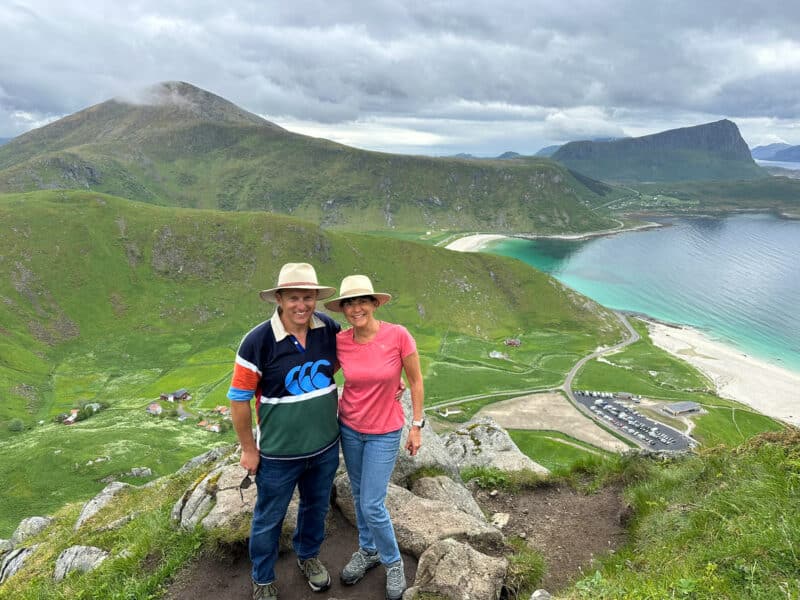
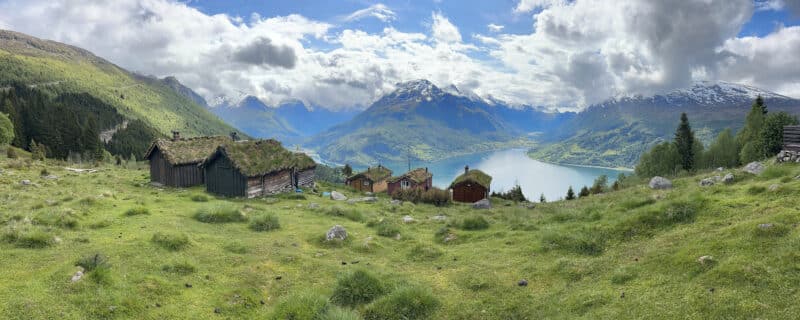
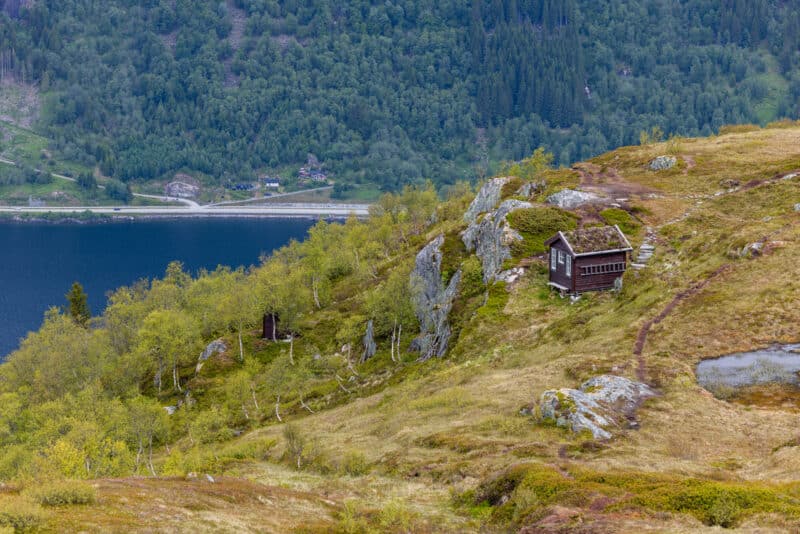
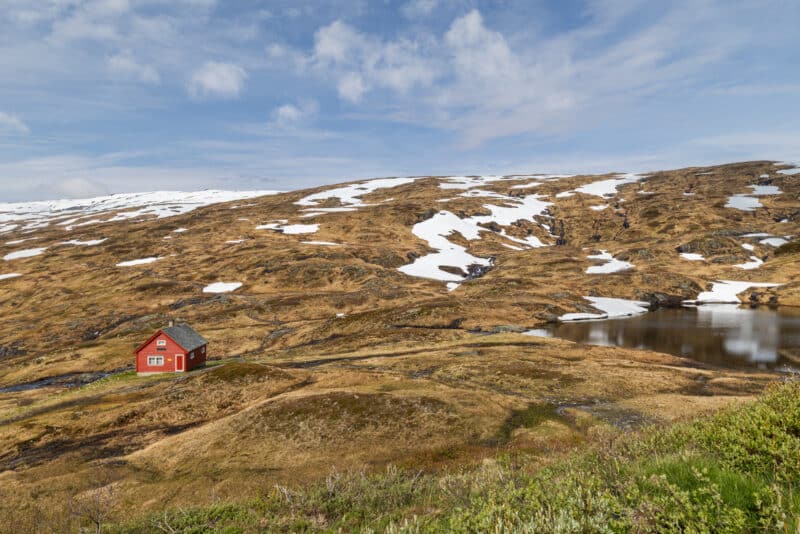
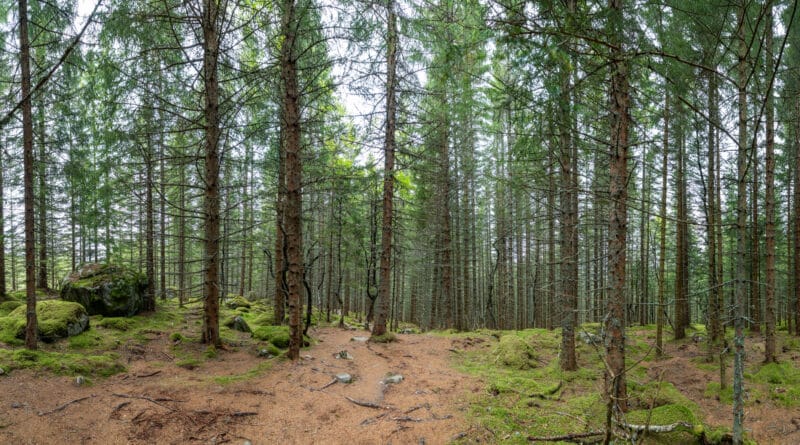
Norway is, without question, one of the most beautiful countries we’ve ever travelled to. Every day felt cinematic—towering mountains, incredible hiking, moody skies, and scenery that constantly made us pull over “just for a quick look”.
The people are equally impressive: friendly, relaxed, and quietly confident. There’s a strong focus on lifestyle, family, and time spent outdoors, and you really feel that pace when you’re there. We felt completely safe the entire time. Norwegians don’t rush—and neither should you.
Winter and summer would be 2 very different experiences in Norway. We chose summer to avoid the extreme cold and give us a chance to explore as much as possible without the worry of driving in snow conditions, which we are not at all experienced in. Winter travellers would have the advantage of potentially seeing the Northern Lights, so if this is high on your wish list then maybe consider a winter visit.
Cruise, Organised Tour or Self-Drive?
This really comes down to how you like to travel.
- Cruises are hugely popular in Norway—and for good reason. The coastline is spectacular, and cruising is a stress-free way to see the major fjords and towns without worrying about logistics.
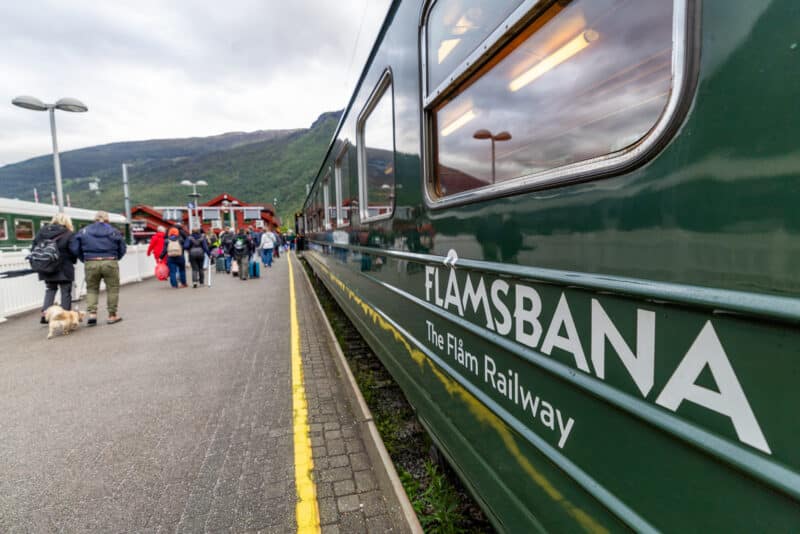
- Organised tours, especially the famous “Norway in a Nutshell”, are very well designed. They’re perfect if you’re short on time or prefer everything arranged for you—trains, ferries, buses, and viewpoints all seamlessly connected.
- Self-drive was our choice, and it suited us perfectly. It gave us total flexibility, allowed us to explore lesser-known hikes and viewpoints, and meant we could follow local tips rather than strict schedules. It does require more planning—but the freedom is worth it if you enjoy slow travel and spontaneity.
Our Route & Why It Worked for Us
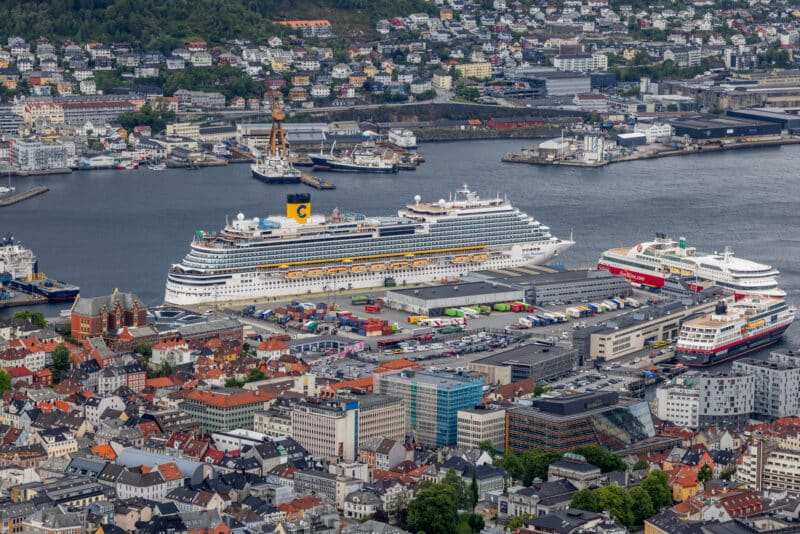
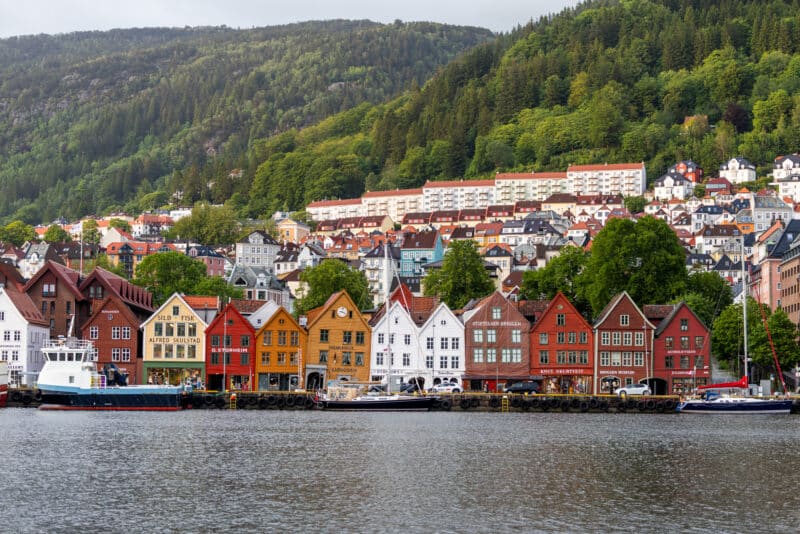
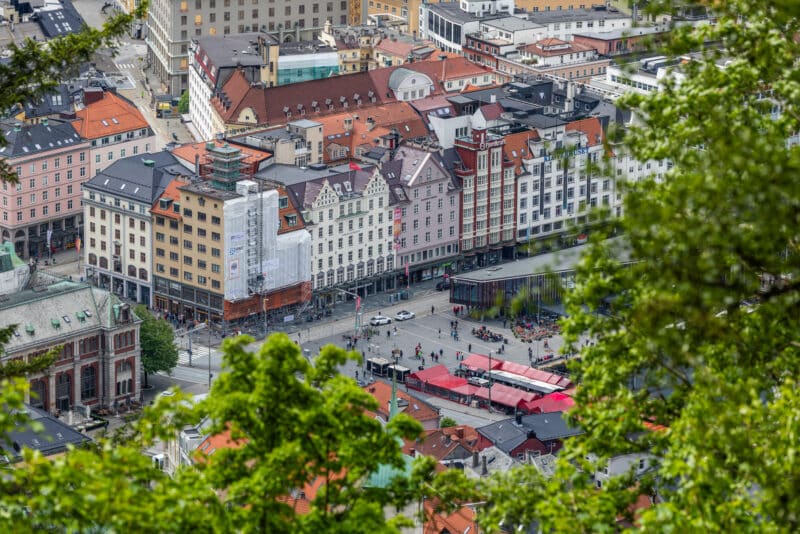
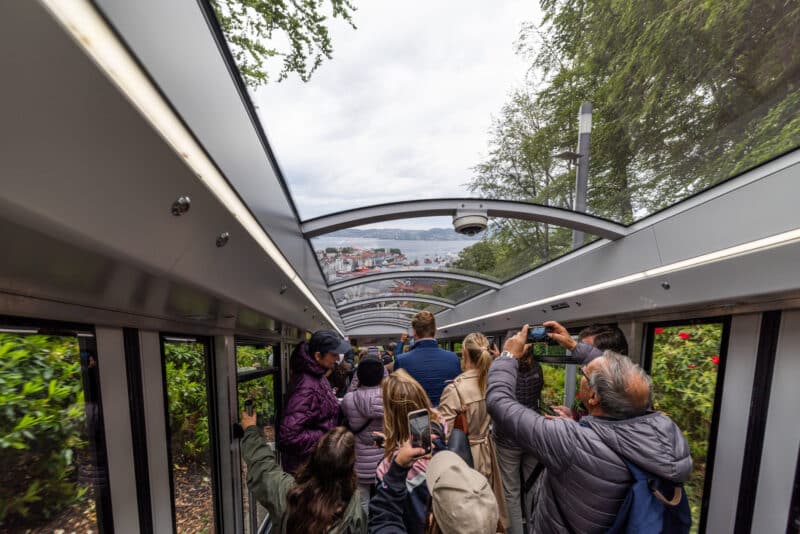
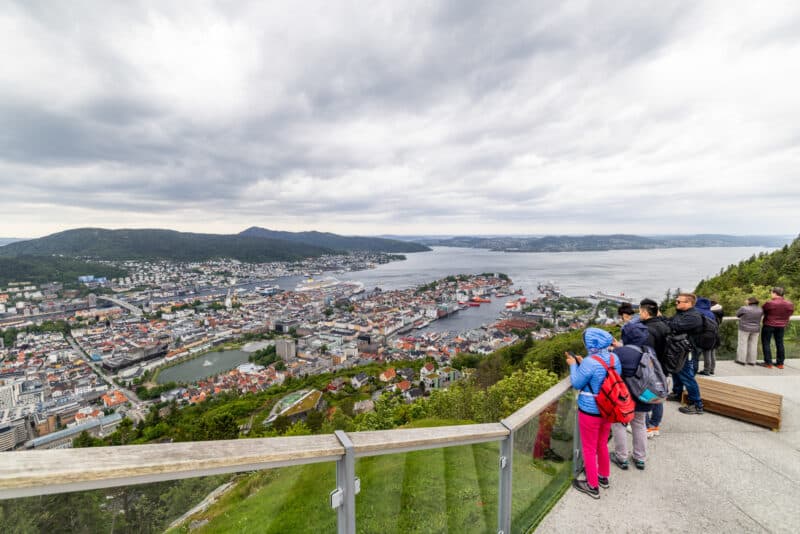
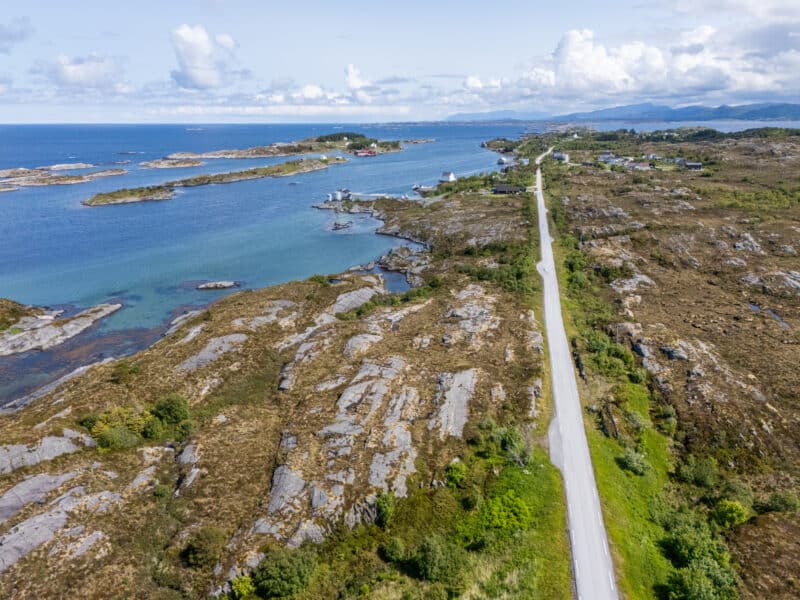
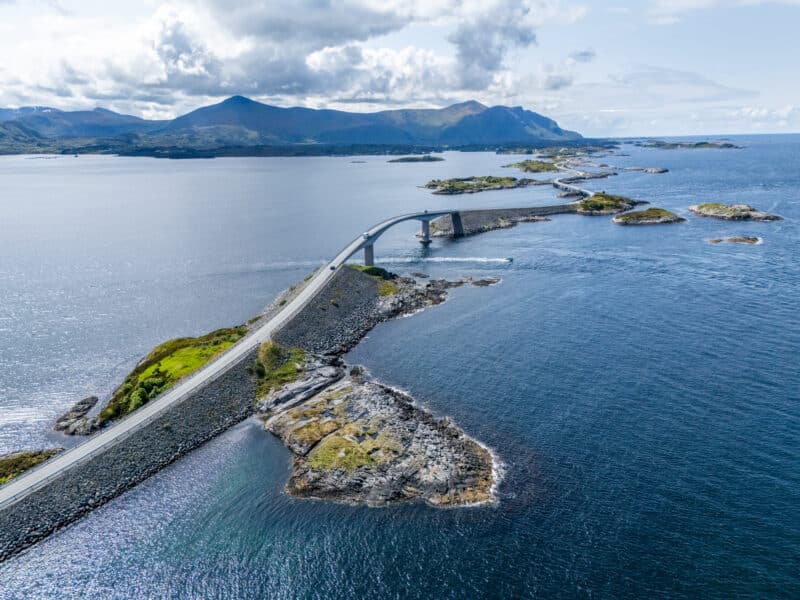
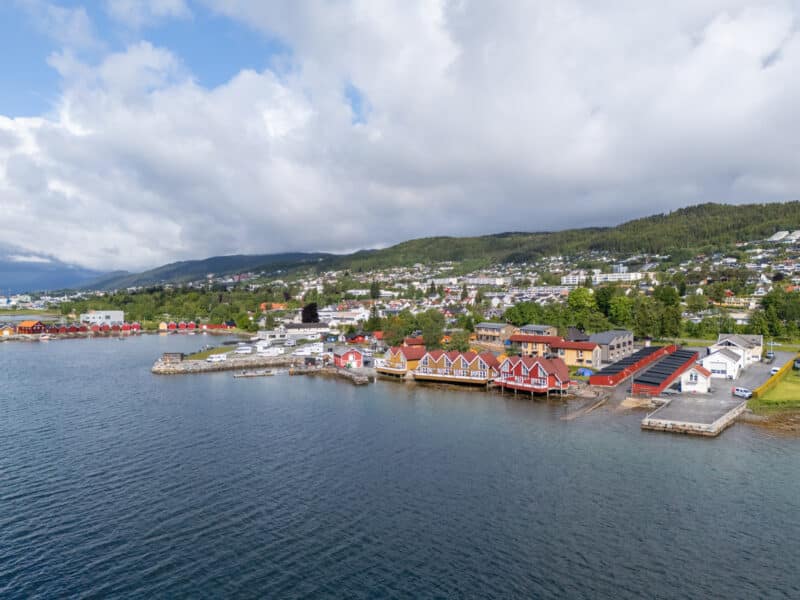
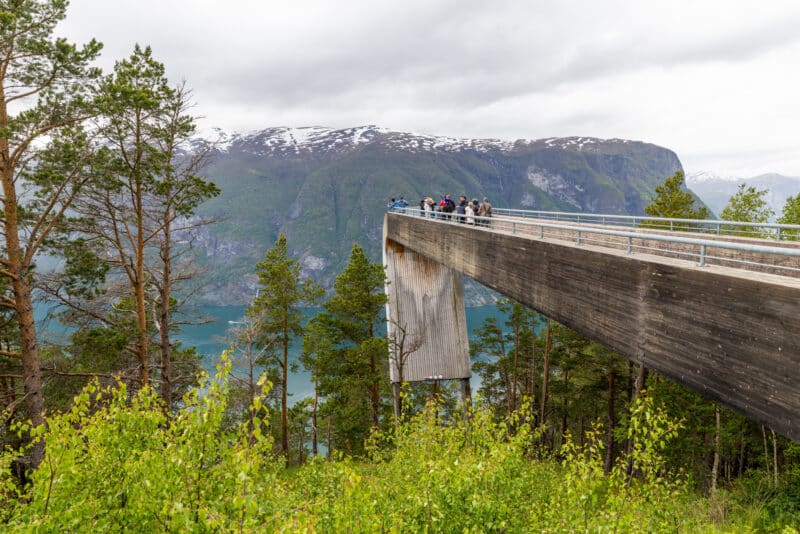
We started in Bergen, then travelled clockwise through the fjord region, (so so beautiful!), along the west coast, and up to the Great Atlantic Road, through to Kristiansund. From there, we headed inland toward Lillehammer to meet up with friends and participate in the Birkebeinerlopet half marathon which was quite an experience. We then had a couple of very relaxed days exploring near Ørje close to the Swedish border, and later flew north to the Lofoten Islands before heading to Oslo for our final couple of days. I spent a lot of time working on the itinerary and trying to work out the best locations and activities. In hindsight, I didn’t need to stress about any of the locations as absolutely everywhere is incredible and has something to offer.
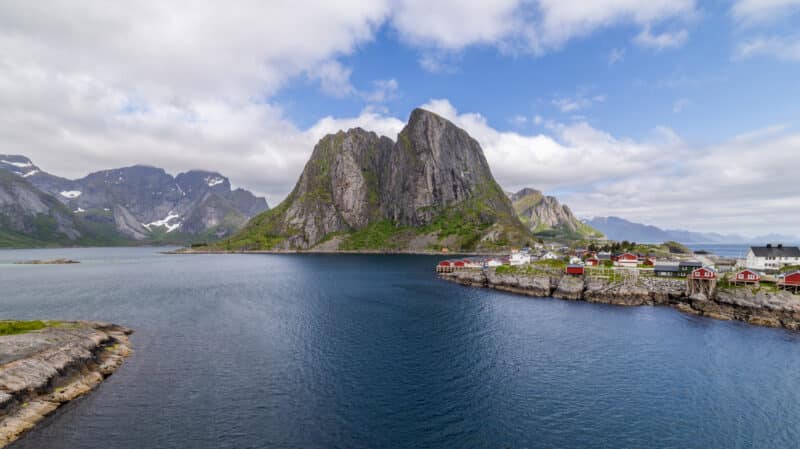
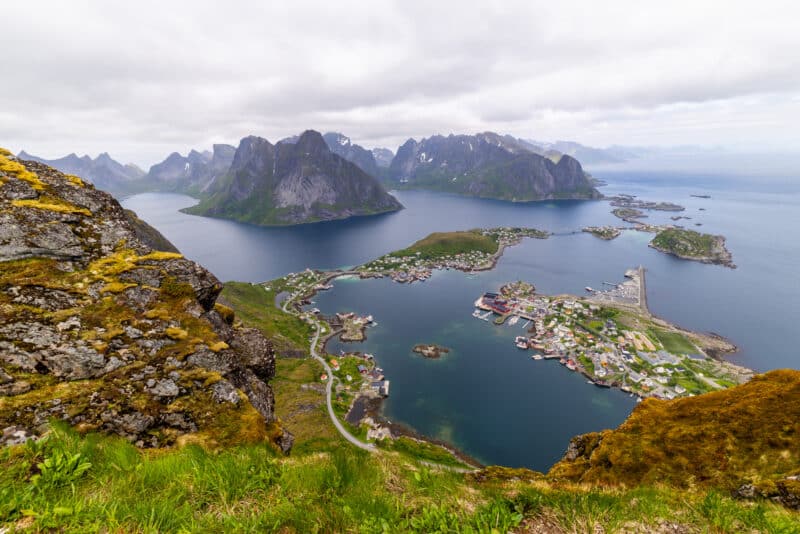
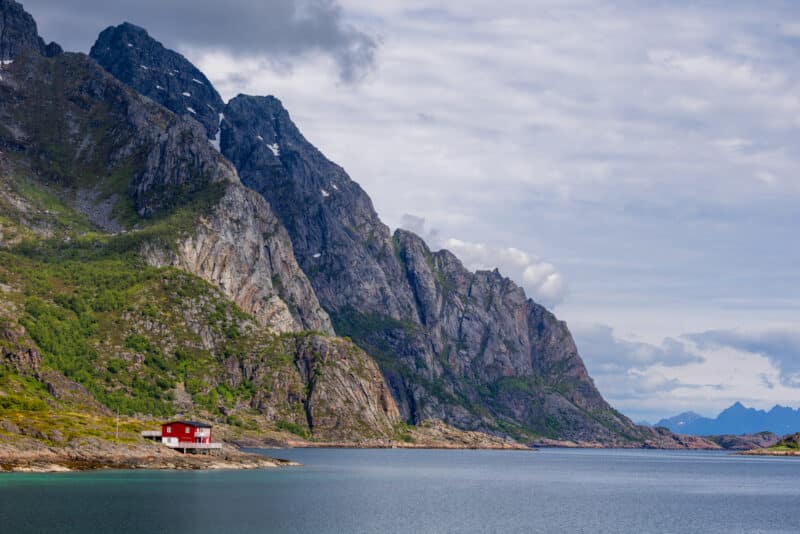
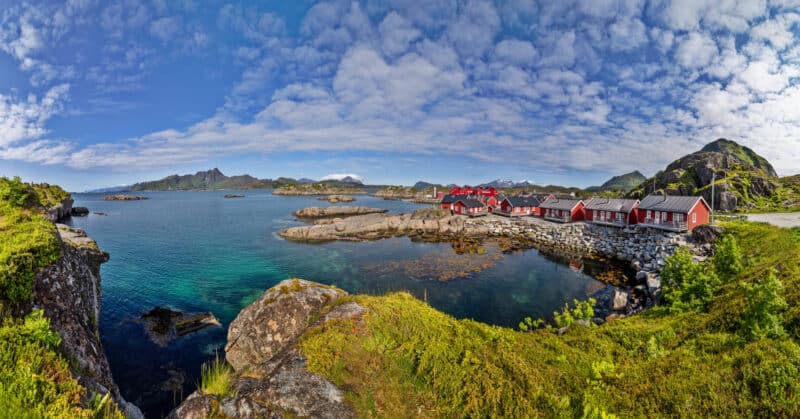
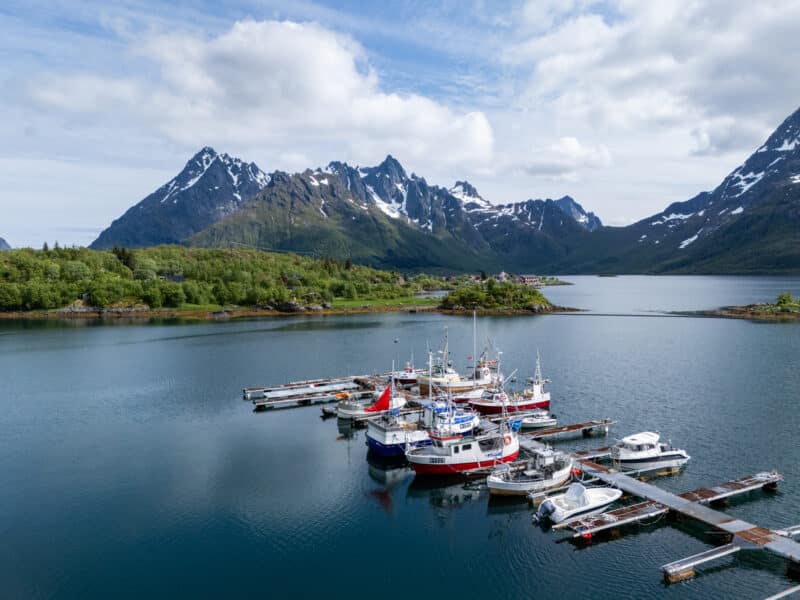
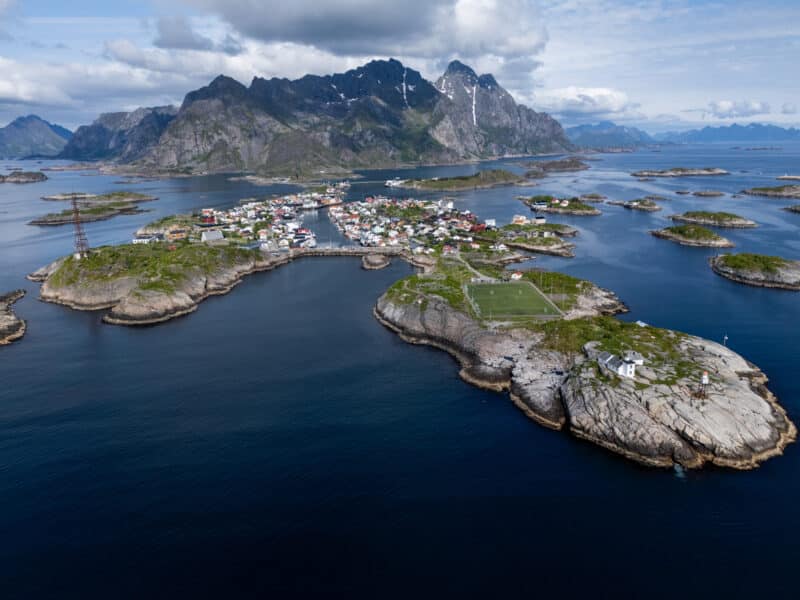
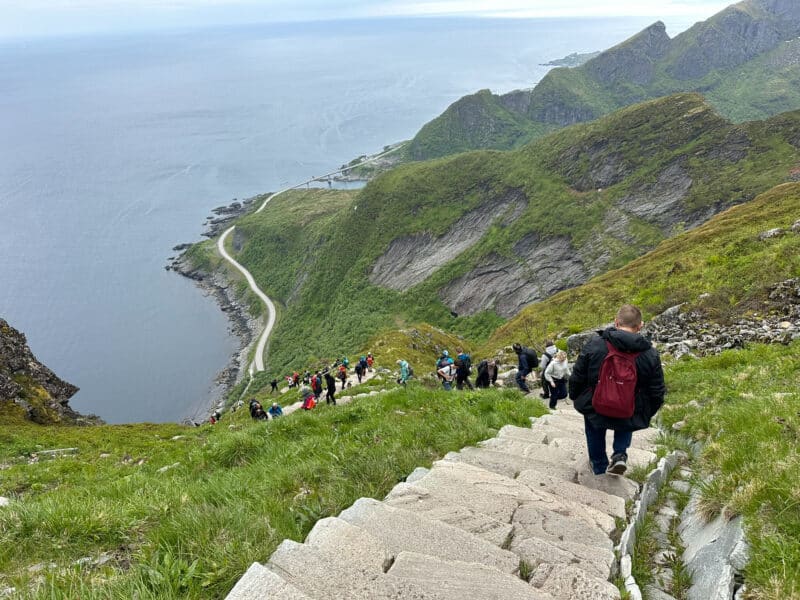
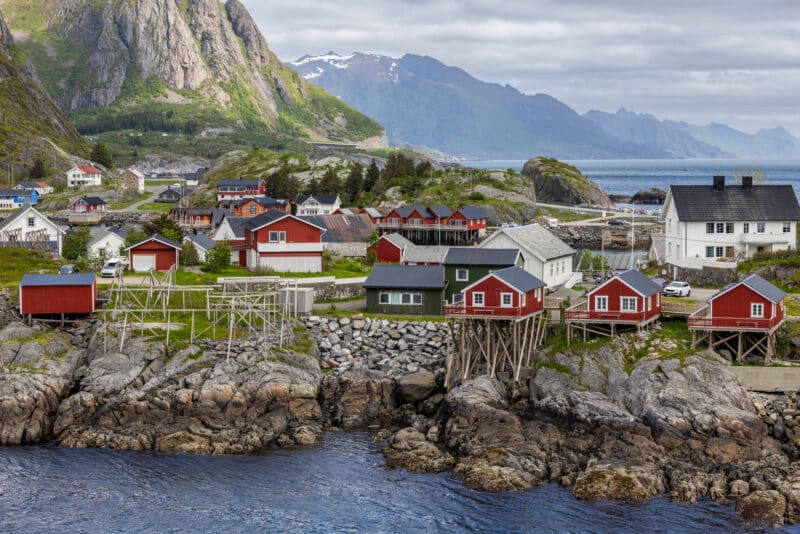
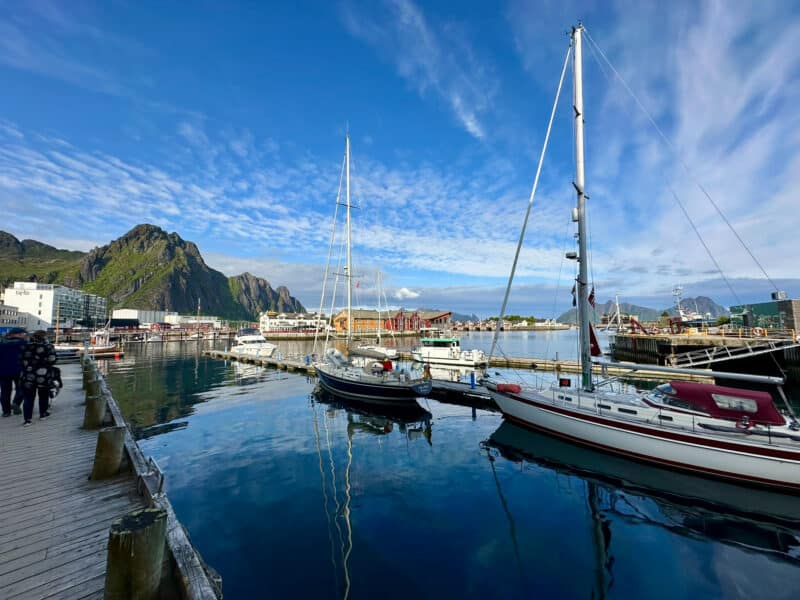
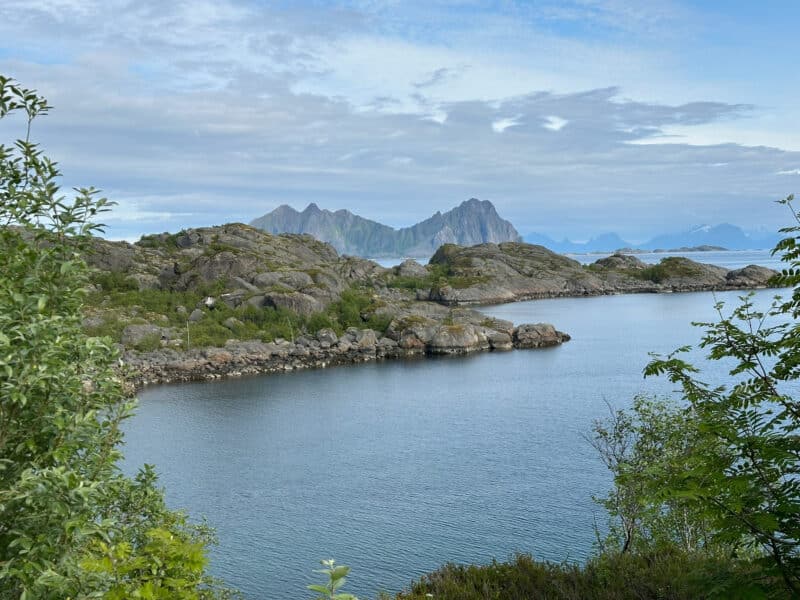
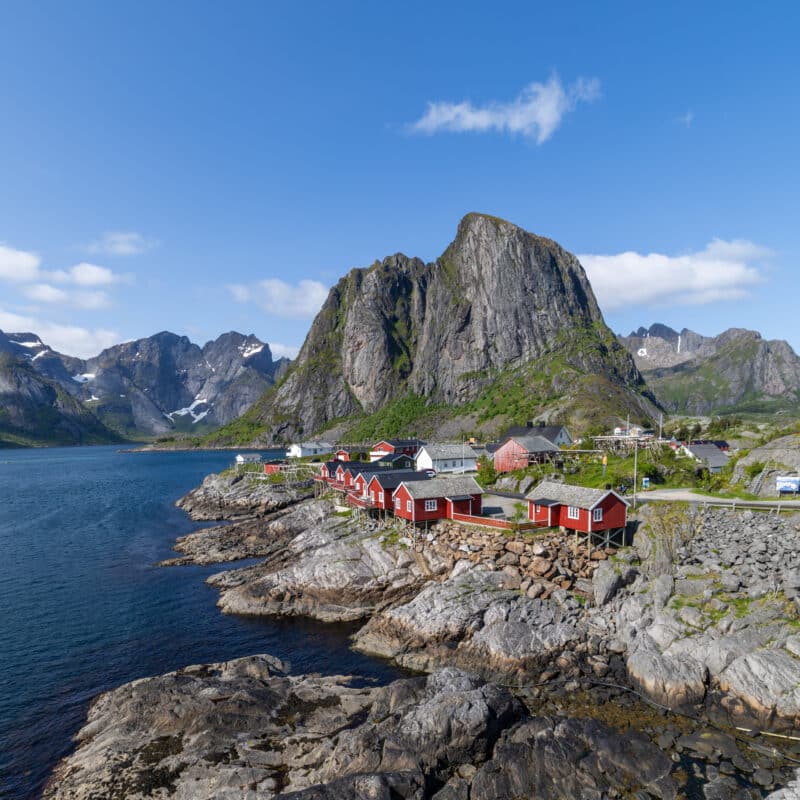
Lofoten was jaw-droppingly beautiful—but also heavily over-touristed, even in June. It didn’t take away from the natural beauty, but it did change the feel. If visiting, aim for early mornings, quieter villages, and shoulder-season travel if possible.
Driving in Norway: What Aussies Should Know
- Speed limits are low—mostly 80 km/hr on highways, and often less. Distances may look short on a map, but travel takes longer than expected. Always allow extra time.
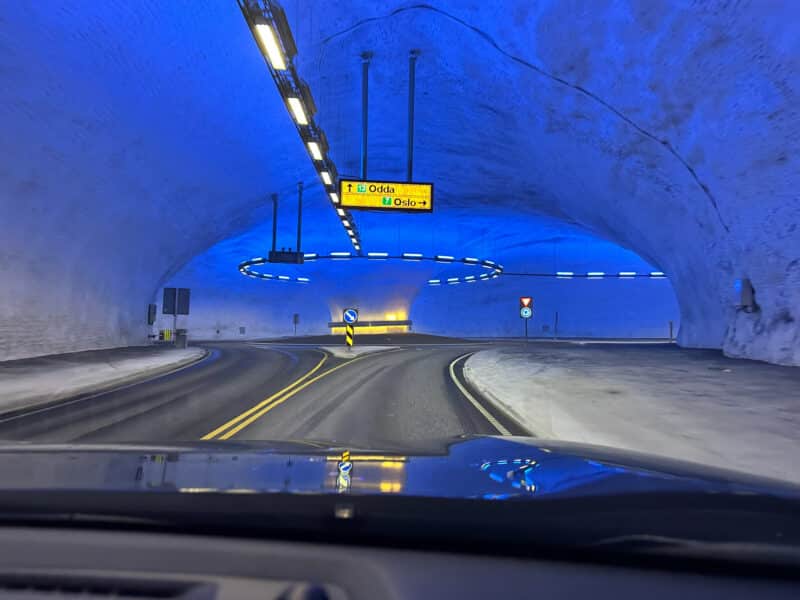
- Tunnels are everywhere. And not just short ones—some go for kilometres under mountains and fjords. They’re impressive, slightly surreal, and very normal in Norway.
- Roads are excellent, but often narrow, winding, and shared with cyclists, campervans, sheep, and so many tourists in the busy times.
- Parking is not easy in the tourist regions. Be careful to avoid parking in non-designated areas as you risk hefty fines, as we accidentally found out the hard way in Lofoten Islands.
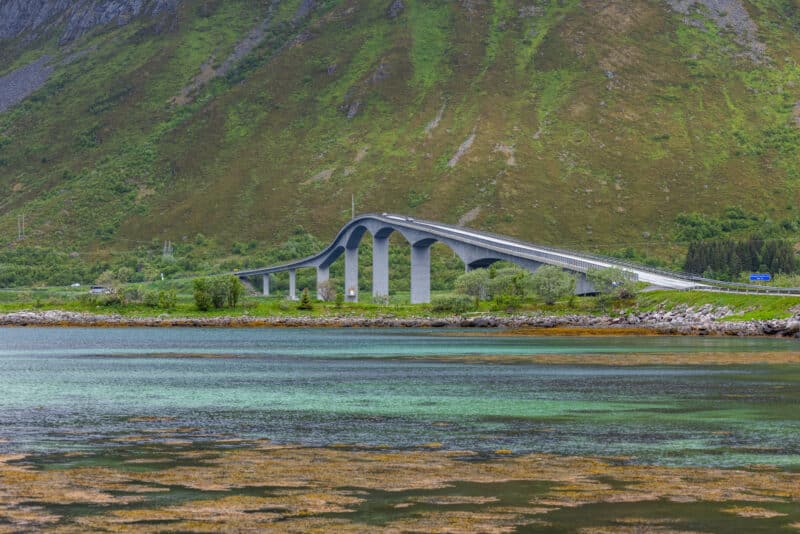
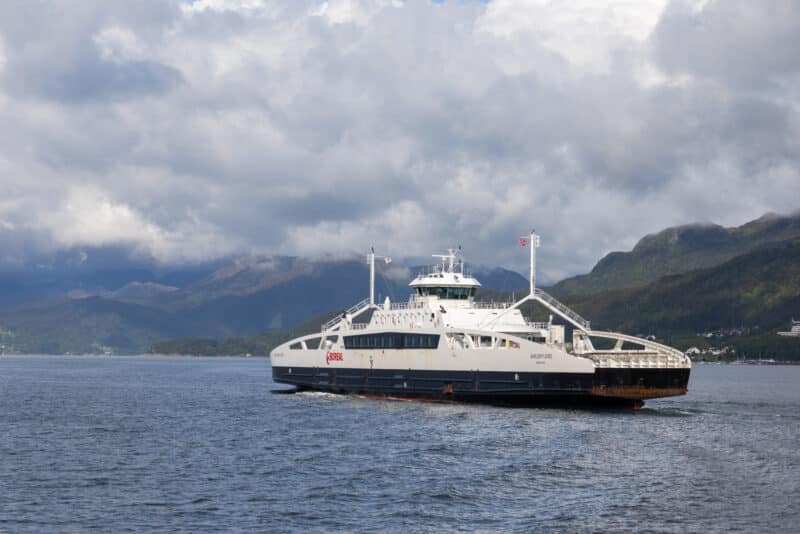
Ferries are a normal part of driving in Norway’s fjord regions and are efficient, scenic and a great way to relax.
- You usually just drive up, queue, and board
- They run frequently during the day
- Payment is often automatic via number plate recognition
- Booking isn’t usually required unless travelling in peak season or very popular areas
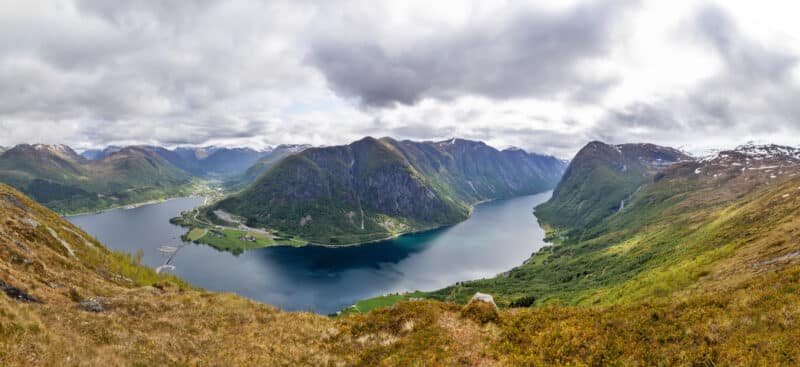
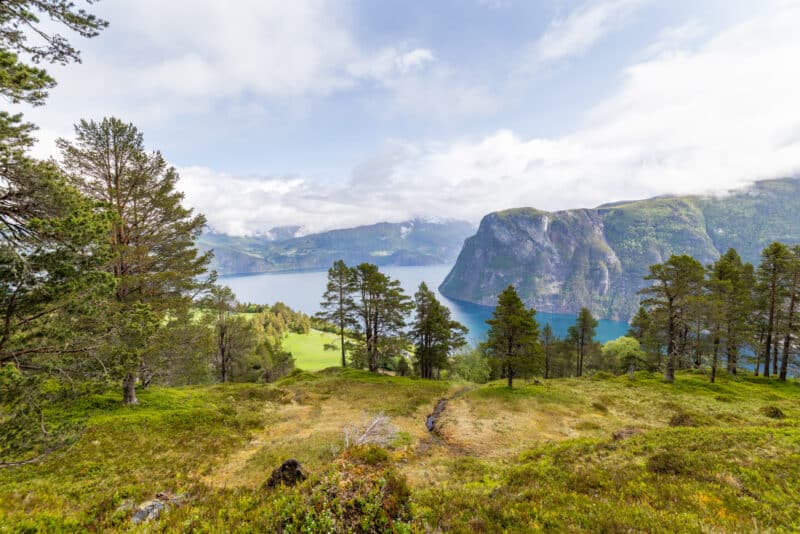
Summer Weather: Expect All Four Seasons
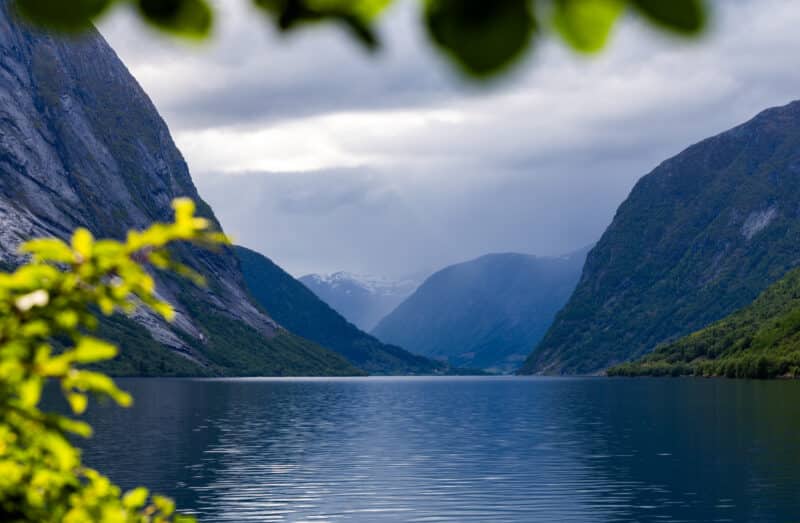
Norwegian summer weather is unpredictable. In a single day we experienced sun, cloud, rain, wind, and blue skies—all before lunch.
-
Pack layers, including a good rain jacket and an umbrella
-
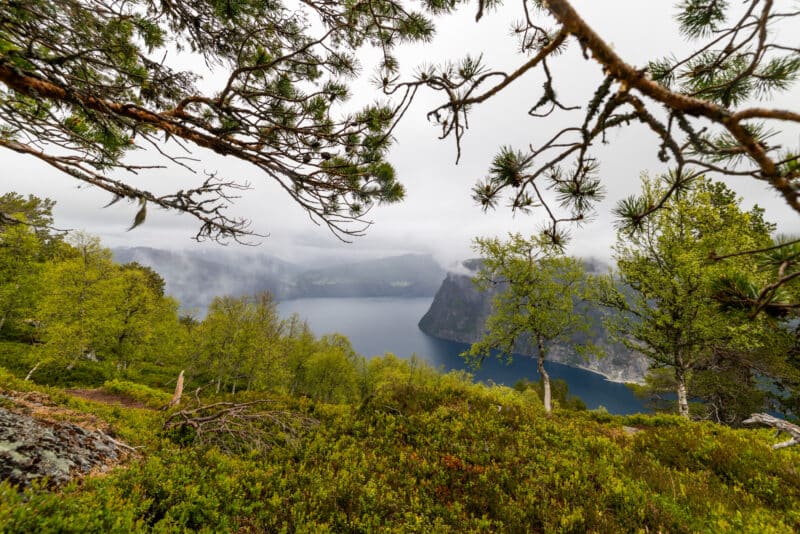
Hiking in mist or light rain is very common (and still beautiful). Most of our hikes ended up being in at least light rain.
-
When the sun does come out, the landscapes absolutely glow
Daylight & Sleep (or Lack of It!)
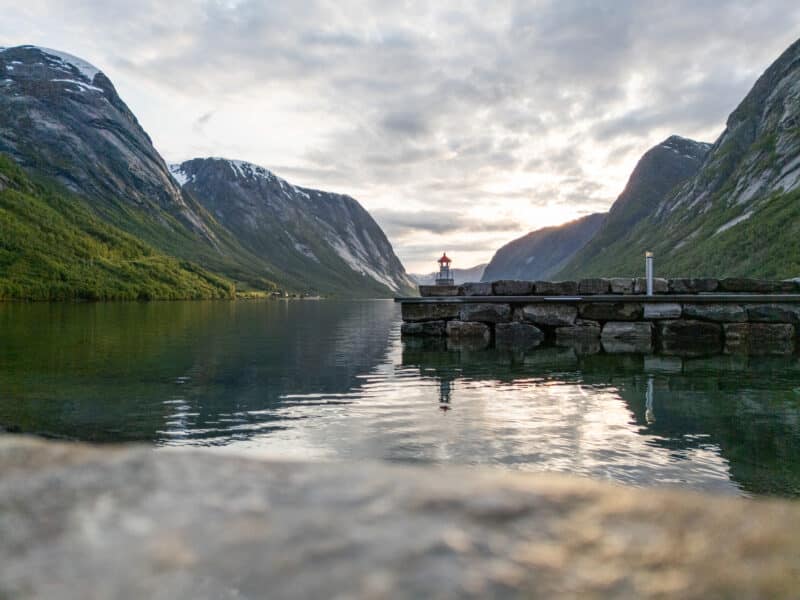
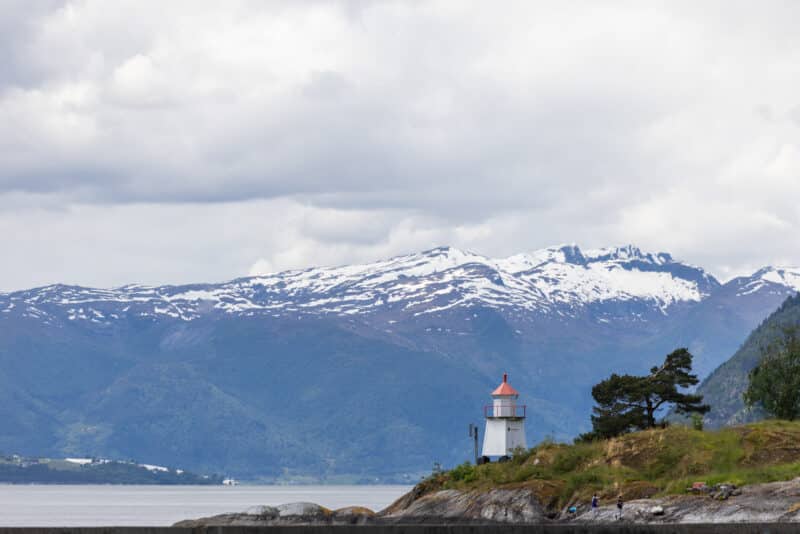
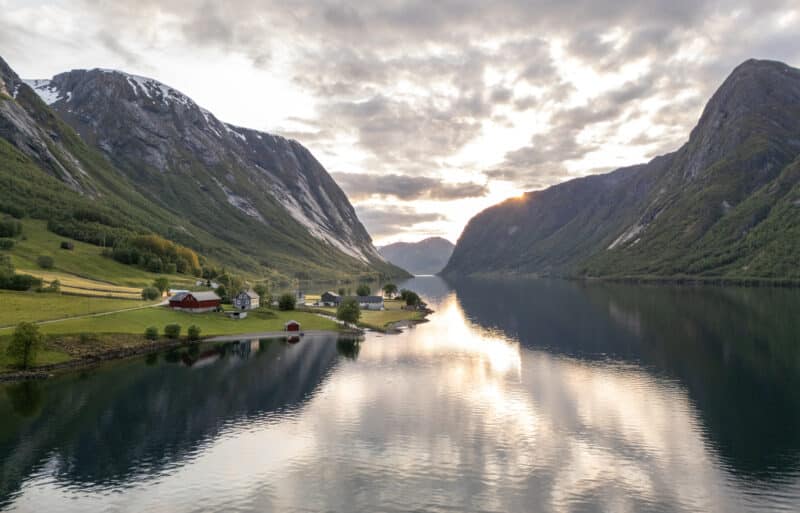
In June, daylight lasts forever. In some places, it barely gets dark at all.
It’s amazing for long days of exploring! We found we had to force ourselves to sleep and blackout curtains in accommodation were an absolute must.
Costs: Yes, It’s Expensive
Norway isn’t cheap—but it’s manageable with planning.
-
Groceries are reasonable
-
Eating out adds up quickly
-
Fuel is expensive
-
Accommodation varies widely depending on location and style
Self-catering some meals and choosing simpler accommodation helped balance things out for us.
Overtourism Is Real
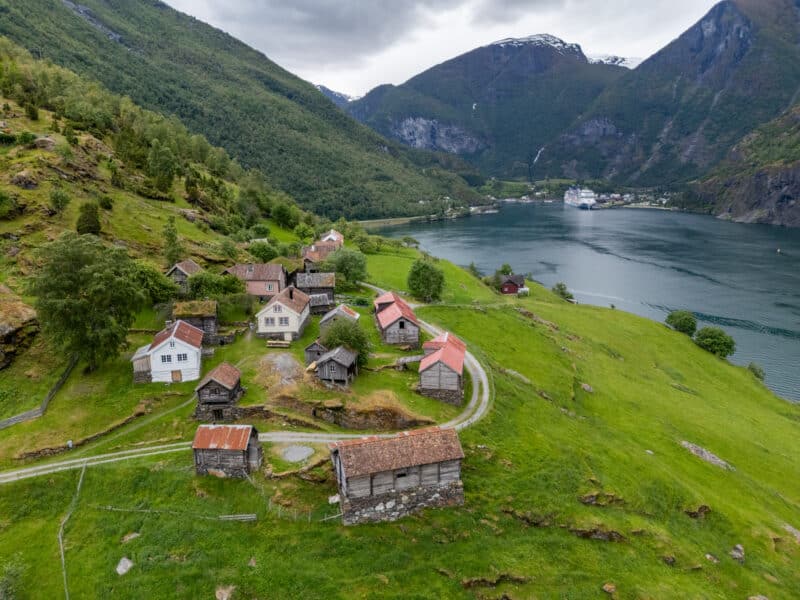
Even in early summer, many popular spots were already busy with tour buses and cruise passengers. If you want quieter moments:
-
Start early
-
Stay overnight near major attractions
-
Ask locals for alternatives (they’re usually happy to share)
Some of our favourite moments came from unplanned stops and lesser-known hikes.
Final Thoughts
Norway rewards travellers who slow down, stay flexible, and embrace the weather. It’s a place where the journey is just as impressive as the destination—and sometimes more so. We absolutely loved everything about Norway! Such incredible memories made.